Why Buddhism is a call to organize
This weekend at my local Buddhist temple, the practitioner leading the meditation and intro to Buddhism told the story of the Buddha and mustard seeds, which coincidently, I had read about the night before in Mingyur Rinpoche’s book, Joyful Wisdom. For those who don’t know the story, it goes something like this:
A woman named Kisa Gotami loses her only child and is overwhelmed by grief, carrying his body from house to house begging for medicine to bring him back to life. Someone sends her to the Buddha, and she pleads with him to cure her son.
The Buddha tells her he can make a medicine, but she must first bring him a handful of mustard seeds from a household where no one has ever died. She goes from door to door; every family is willing to give mustard seeds, but in every house someone has died—a parent, child, spouse, or servant.
Realizing that death touches every family, she understands that her loss is not unique and that death is an inevitable part of life. She finally lets go of her son’s body, completes the funeral rites, returns to the Buddha, and becomes his follower, learning the Dharma as a way to heal.
Now, the main lesson of this story is about accepting grief as universal and that death is inevitable.
However, like many of the Buddha’s teachings, it’s not hard to find more lessons. While the story reflects on grief and death, it also points to the fact that suffering is universal, and in that, struggle is universal. Kisa Gotami realizes she is not alone and is able to overcome her refusal to accept the loss of her son, and with her community, she is able to take the first steps to move on.
As a community we can overcome grief, but we can also do a lot more. We can overcome oppression, injustice, and even fascism.
Outside of our own personal suffering, millions and even some billions are going through collective suffering and they need each other to get through it, and to one day, end that suffering.
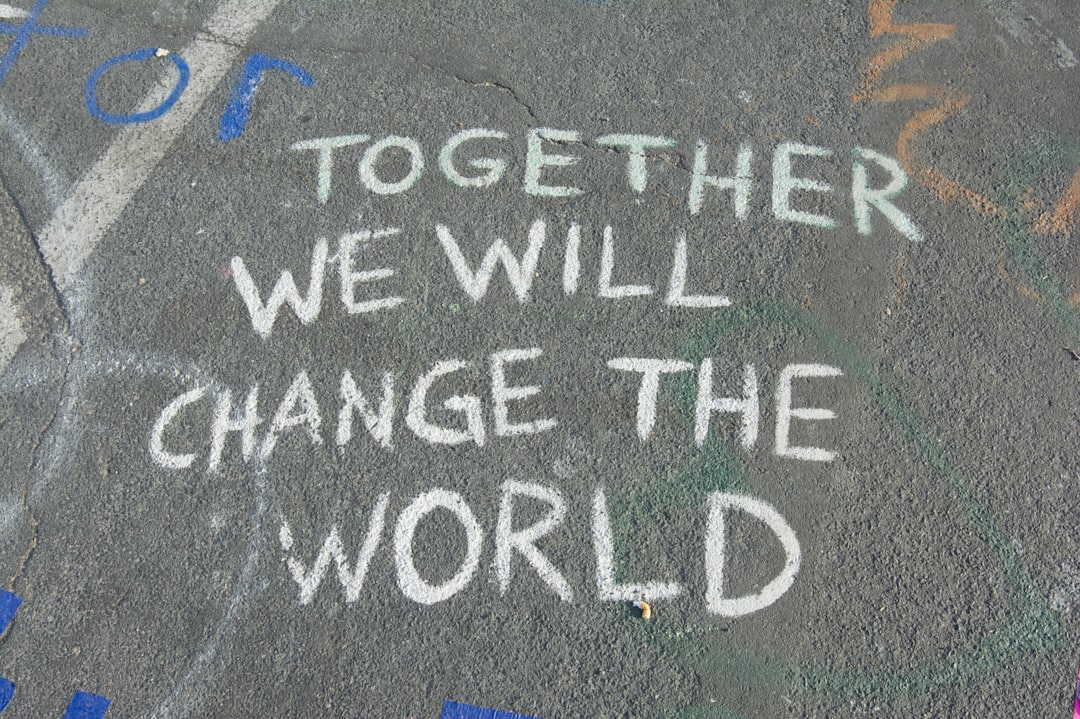
What this teaches me is that Buddhism is a call to come together; to organize.
Meditation and Buddhist practice will not change the world on its own. Sitting on a cushion is part of that fight, but as the practitioner mentioned above says often, “if your life is a crazy mess, after meditation your life will still be a crazy mess.”
He goes on to explain that meditation helps show us that it’s a crazy mess so that we can take action to fix it.
The same goes with organizing and political, social justice work. The cushion helps us in many ways. It helps us calm our minds, let go of hatred so that we can see our goals more clearly. It helps us extend lovingkidness for ourselves and others, and by practicing Bodhichitta, we can wish for the world to be awakened and create a world free of suffering and the conditions of suffering.
But what we learn on the cushion is no good until we take action off the cushion. Wishing for the end of suffering will not end suffering. We must get up and go win these struggles against oppressive forces, but doing so in numbers means we will be victorious.
Suffering cannot be ended in a world with regimes that impose suffering on others. Through meditation and mindfulness, those in those regimes can find important lessons and practices in overcoming and or accepting (not submitting) to that suffering, while then organizing off the mat to realize the final end to those causes.
This for me is what drew me to Buddhism, the fact that it helped me personally deal with my own suffering, but that it doesn’t make it practice simply about yourself. It’s about all sentient beings and helping to create an awakened world so that one day, no one has to suffer.
Enjoyed this? I write weekly on secular Buddhism, mindfulness, and everyday practice.
Subscribe on Substack →